
Yom Kippur is a great time to embrace the spirit of forgiveness
By: Melanie Avery
Edited by: Megan Lilly
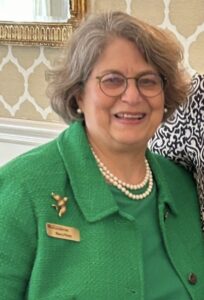
Nancy Piness, sustainer, featured on NPR for her interview on the meaning of Yom Kippur and embracing forgiveness
Yom Kippur, the Day of Atonement and repentance, is the holiest day in Judaism. Observed ten days after Rosh Hashanah, the Jewish New Year, it marks the culmination of the High Holy Days, a period of reflection, prayer, and seeking forgiveness. Jewish people worldwide observe Yom Kippur by fasting; attending synagogue services; and engaging in deep self-reflection, seeking divine forgiveness, and reconciliation with others. According to Nancy Piness, Sustainer member, “Of all of the Jewish holidays, Yom Kippur is my favorite because beginning with the evening service of Kol Nidre and ending at sundown on Yom Kippur after a day of meaningful prayer, exquisite music, liturgical dancing, fellowship, quiet time – and yes, fasting, if possible, I feel I have been renewed.” She also shares, “It is important that we not wait for 363.5 days to solve all of the problems in our life and challenges in our world; however we should take inventory frequently and observe Yom Kippur as a time of growth and renewal.” Piness loves the symbolism of the “Tree of Life” and bought the candlesticks because of pattern and its meaning in my life.
Piness has dedicated her life to working with and for older adults and forming deep connections with elders who have left lasting impressions on her. “My life has been spent working with and for older persons, and so there are many amazing elders whose lives have touched mine—beyond just my parents and grandparents—who I always wish to remember,” she reflects.
Her commitment to remembrance is particularly evident in her observance of Yom Kippur and the Yizkor service, which she describes as a deeply meaningful moment. “One of the services that takes place toward the end of Yom Kippur is called ‘Yizkor.’ It is very significant to me because it is a service of remembrance when we reflect on the lives of loved ones and cherished friends who are no longer among us. We light a special memorial candle.”
This act of remembrance extends beyond Yom Kippur. “I light a memorial candle every Friday night during Shabbat services and whenever I am observing the annual anniversary, the Yarzheit, of the deaths of loved ones,” she shares.
For Piness, the meaning of Yizkor is twofold. As written in her prayer book, “‘Yizkor has had two profound themes: God’s embrace of the loved ones who are beyond our reach; and our commitment to do the good deeds that are within our reach by giving tzedakah in their memory. When we say Yizkor (May God remember…) we proclaim our faith that those who have died have significance now and forever.'”
Through her work and personal observances, Piness ensures that the lessons of those who came before her live on—not just in memory, but in action.
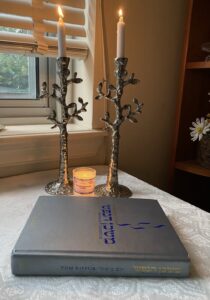
According to Nancy Piness, the “Tree of Life candlesticks and the candle that are burning is a special Yarzheit memorial candle to remember those we love who have died, the 6 million Jews who perished in the Holocaust and for everyone who has died who has no one to pray for them.” Her Tree of Life candlesticks are lit on Friday evenings for Shabbat during the year. Piness lights Yarheit candles on Friday evenings when she is honoring the death anniversary of loved ones.
Piness chose to honor the day in a way that went beyond personal reflection. She not only fasted and attended synagogue, but she also took a courageous step—one that would ultimately inspire others. Piness reflects, “I strive to grieve my losses and disappointments and celebrate my joys and successes of the previous year – and let them go while centering myself with hope and anticipation for whatever the new year might bring.” In preparation for Yom Kippur Piness reflects on what she has done, and what she can do better. Most importantly, she asks for forgiveness, and it is granted, and learns to accept my imperfections.
This year’s Rosh Hashanah and Yom Kippur, known as “The Days of Awe,” took on deeper significance as I gained greater clarity on the importance of reconciliation and forgiveness in my life. Yom Kippur inspired Piness to not only forgive herself, but also others.
Piness shares, “A close friend of almost 40 years and I experienced a period of estrangement after some misunderstandings and eventually we were not in touch. That was almost 4 years ago. I did not know exactly how to begin reaching out to heal things between us; however, I knew I wanted to take the first step. We had a brief encounter in our neighborhood, but it wasn’t until we both attended the memorial Mass of a mutual friend last summer that the priest’s message on forgiveness gave me the courage to reach out. At the reception, I approached my friend, apologized, and acknowledged the misunderstandings on both sides, and we agreed to meet and talk.” Reflecting on Yom Kippur, Nancy acknowledges that she had to self-reflect, take ownership of how she might have contributed to the estrangement in her friendship, communicate with others, to persevere her friendship. She states, “As I prepared spiritually for the High Holy Days, I felt a sense of urgency and sent a text inviting her to meet before Yom Kippur, leaving the door open for future conversation and forgiveness.”
On that sacred day, Piness not only sought repentance for her missteps but also extended forgiveness to someone who may have wronged her. This simple yet profound choice led to the renewal of a long-lost friendship.
Piness’ decision to forgive didn’t just change her own life—it resonated far beyond. Her story caught the attention of a Senior Producer for NPR’s All Things Considered who was visiting Washington, DC and attended the Selichot service at Nancy’s synagogue for her own worship experience, and in preparation for researching her segment. Over several conversations Piness shared her journey of atonement, reconciliation, and courage You can listen to her NPR interview here:
As Yom Kippur reminds us, self-reflection and forgiveness are powerful. May we all find the time for self-reflection, forgiveness, and living a life that we love.
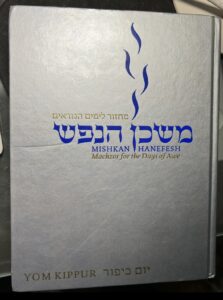
The Yom Kippur Prayer Book